Stadium Cleanup Debate: Japanese Fans Face Criticism

Admin New
Daftar Isi
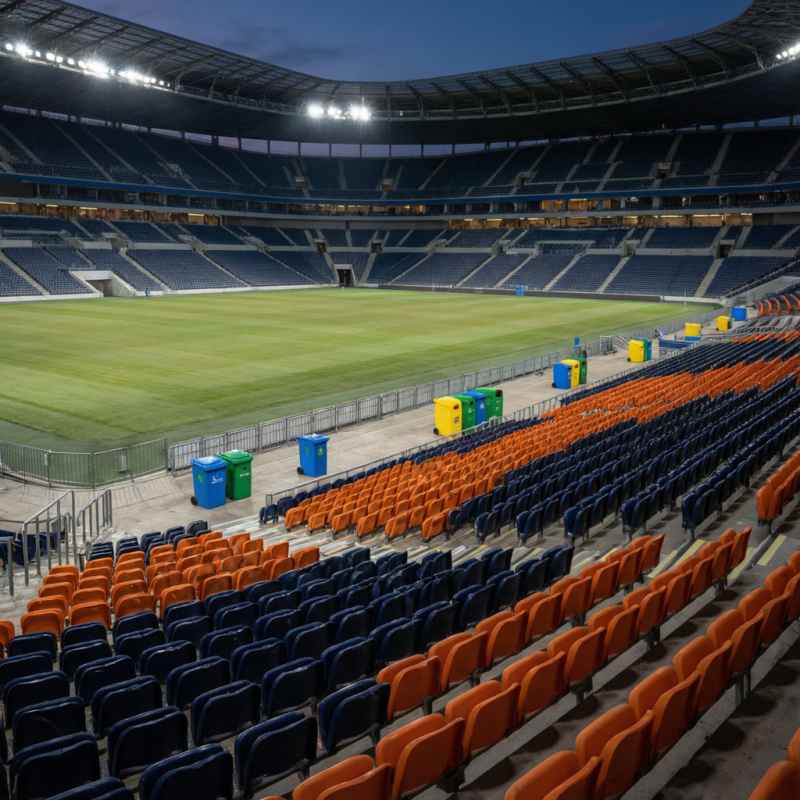
The term stadium has recently dominated global search trends, but not for the usual reasons of match results or record-breaking transfers. Instead, the spotlight is fixed on a long-celebrated tradition: Japanese football fans meticulously cleaning seating areas after every game. While this habit has been widely praised internationally as a shining example of sportsmanship and discipline, it is now sparking intense debate within Japan itself. Recent reports indicate growing domestic friction, with vocal critics questioning whether this iconic practice has evolved from a cultural virtue into an unnecessary social burden.
The Global Narrative Meets Domestic Reality
For nearly a decade, viral footage of supporters in team colors picking up trash after matches has been shared across continents. Foreign commentators frequently point to it as proof of exceptional civic duty. Yet, this external admiration has not gone unnoticed by everyday Japanese citizens. A segment of the population has begun pushing back, arguing that normalizing such behavior creates an unrealistic standard for public life. Some have even dismissed the ritual as performative, suggesting that cleaning up after oneself should be a baseline expectation, not a televised spectacle.
Cultural Roots Versus Social Fatigue
Traditionally, leaving no trace behind is deeply rooted in Japanese educational and community values. Schools teach students to sweep classrooms and shared corridors to foster collective pride. Translated to the stadium, this becomes an extension of respect for fellow attendees. However, sociologists note that intense international scrutiny can distort local customs. The pressure to maintain a flawless public image has reportedly led to measurable social exhaustion. Phrases circulating online urging people to simply enjoy the match reflect a generational shift away from mandatory civic labor. Many now argue that professional sanitation teams should handle large-scale cleanup, relieving fans of unwritten obligations.
Reevaluating Fan Expectations Ahead of Global Tournaments
As organizers prepare for upcoming major tournaments like the 2026 World Cup, this controversy presents a fascinating case study in sports culture management. Venue operators must decide whether to lean into the viral aesthetic or establish more balanced, infrastructure-driven sustainability protocols. While environmental stewardship remains non-negotiable, the execution matters deeply. Relying heavily on unpaid fan labor over robust professional systems can inadvertently alienate casual attendees and international visitors who operate under different cultural norms.
Finding a Sustainable and Inclusive Balance
The solution likely lies in modernizing venue engagement rather than abandoning core values entirely. Arenas worldwide are increasingly adopting zero-waste frameworks that make sustainable behavior effortless and voluntary. Providing ample recycling stations, incentivizing proper disposal through digital campaigns, and publicly honoring cleaning staff can achieve identical environmental results without imposing guilt on spectators. Ultimately, the goal is a shared space where respect is demonstrated through enthusiastic attendance and positive atmosphere, not mandatory post-match sweeping. By embracing practical, inclusive sustainability, global football culture can preserve its reputation while adapting to contemporary social realities.
Written by
Admin New
Admin • Total Kontribusi: 4505 artikel
Administrator of ModerNews
Reader discussion
Komentar (0)
Share your thoughts respectfully.