Nepal Flash Floods: Climate Crisis & Aid

Admin New
Daftar Isi
The South Asian region has once again been shaken by catastrophic natural forces, with Nepal at the epicenter following devastating flash floods. This heartbreaking tragedy adds to a long and grim list of natural disasters that constantly test the resilience of communities living at the foothills of the Himalayas. According to recent reports, the number of casualties from the Nepal flash floods continues to rise, triggering profound concern from the international community. This disaster is not merely an isolated incident of extreme weather; rather, it is a stark and terrifying manifestation of a rapidly worsening global climate crisis.
From Warming Oceans to Collapsing Ice
The extreme weather phenomena currently battering Nepal cannot be decoupled from global climate change. Drastic warming of sea surface temperatures has fundamentally altered atmospheric circulation patterns, which in turn triggers rainfall of unprecedented intensity. Warmer air holds significantly more moisture, meaning that when the monsoon season arrives, the volume of water dumped onto the earth is magnified immensely.
Even more alarming is the accelerated melting of glaciers across the Himalayan mountain range, driven by the greenhouse effect. Climate scientists note that the phenomenon of collapsing ice forms highly unstable glacial lakes. When the natural dams made of loose ice, rock, and debris burst, millions of cubic meters of water and debris cascade down steep slopes at terrifying speeds, obliterating everything in their path. This deadly combination of heavy rainfall and glacial lake outburst floods constitutes the primary catalyst for the unparalleled destruction witnessed in recent days.
Not the First Tragedy in the Himalayas
Looking at historical records, flash floods in Nepal are by no means a new occurrence. The country's topography, dominated by impossibly steep slopes and narrow valleys, makes it one of the most vulnerable regions on the planet to hydrometeorological disasters. Every year, particularly during the intense monsoon season from June to September, Nepal faces the looming threat of landslides and flash floods.
However, the frequency and intensity of these disasters have escalated sharply over the past decade. Local communities, whose livelihoods depend on agriculture along riverbanks, are disproportionately affected. The destruction of vital infrastructure, including bridges, highways, and healthcare facilities, severely hampers evacuation and recovery efforts. These harsh realities underscore that current mitigation strategies are entirely insufficient against the destructive power of climate-induced weather anomalies.
International Solidarity: China Sends Second Wave of Aid
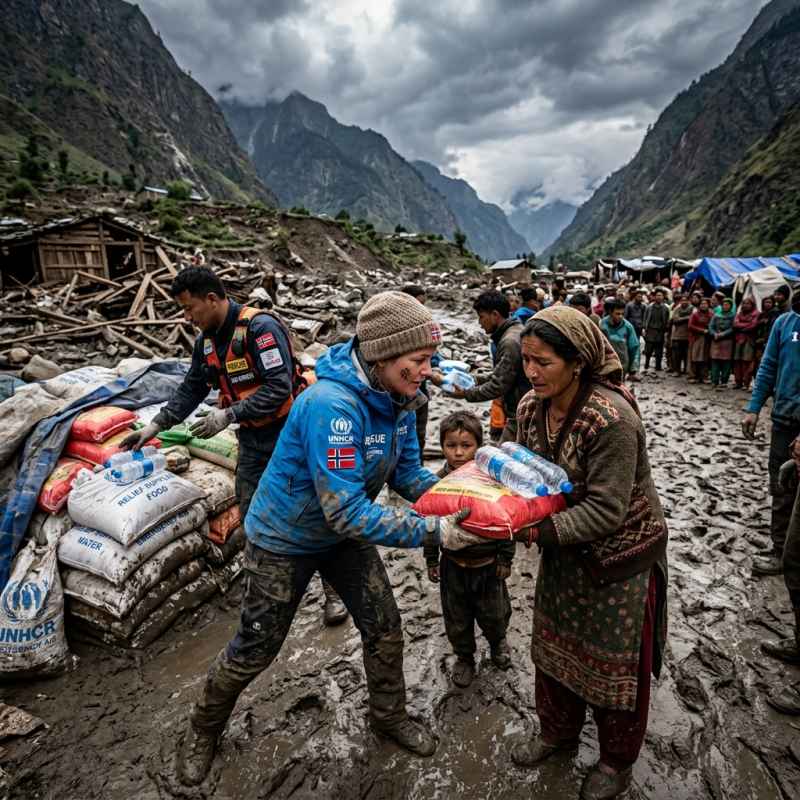
Amid a highly challenging emergency response situation, international solidarity is beginning to flow into Kathmandu. Given the massive scale of destruction, the Nepalese government has urgently appealed to the global community for logistical and medical support. Responding swiftly to this humanitarian call, the Chinese government has dispatched a second wave of emergency aid to Nepal.
This critical relief package includes refugee tents, thermal blankets, medical supplies, ready-to-eat meals, and water purification facilities—essential elements for preventing post-disaster disease outbreaks. This strategic assistance not only strengthens the diplomatic ties between the two neighboring nations sharing the world's highest peaks, but it also demonstrates the absolute necessity of cross-border collaboration when confronting large-scale natural disasters.
Building a Climate-Resilient Future
The tragic flash floods in Nepal must serve as a blaring siren for the rest of the world. Efforts to radically reduce global carbon emissions can no longer be delayed. Furthermore, massive investments in early warning systems and disaster-resilient infrastructure are urgently needed, especially for developing nations on the frontlines of the climate crisis. Without collective global action and unwavering commitment, similar tragedies will inevitably repeat, claiming more lives and devastating the futures of generations to come.
Written by
Admin New
Admin • Total Kontribusi: 4495 artikel
Administrator of ModerNews
Reader discussion
Komentar (0)
Share your thoughts respectfully.