Middle East Crisis: US Strikes and WW3 Fears

Admin New
Daftar Isi
- Escalating Tensions in the Middle East: A Global Flashpoint
- Iran's Unconventional Retaliatory Strategy
- Asymmetric Warfare and Proxy Operations
- Fears of World War 3 and Global Mobilization
- 24-Hour Surveillance by Western Intelligence
- Economic Fallout and the Urgent Need for Diplomacy
- The Narrow Path to Peace
Escalating Tensions in the Middle East: A Global Flashpoint
The Middle East has once again become the focal point of international anxiety following a series of aggressive military actions that threaten to plunge the world into a massive conflict. The most recent and alarming escalation occurred when the United States military launched targeted airstrikes against strategic bases belonging to Iran's Islamic Revolutionary Guard Corps (IRGC). This bold military maneuver was executed in direct retaliation against the rising operations of Tehran-backed militia groups across the volatile region. The strikes not only decimated crucial military infrastructure but also served as a severe warning to the Iranian government and its regional proxy networks.
Iran's Unconventional Retaliatory Strategy
In the aftermath of the American bombardment, Iranian military leadership appears to be recalibrating its approach, pivoting away from traditional warfare. Recent intelligence and geopolitical analyses suggest that Iran's current objective is not necessarily to secure a straightforward military triumph over the overwhelmingly powerful United States Armed Forces. Instead, Tehran is engineering an intense campaign of political and psychological pressure. Defense experts note that this calculated strategy is designed to politically corner figures in Washington—most notably Donald Trump—aiming to make the US administration "beg for mercy" by imposing unbearable geopolitical costs.
Asymmetric Warfare and Proxy Operations
Rather than engaging in a suicidal direct confrontation, Iran is fully expected to leverage its extensive network of proxy forces stretching from Yemen to Lebanon. By employing sophisticated asymmetric warfare tactics, Tehran seeks to disrupt crucial global energy supply chains, threaten scattered American military outposts, and foster regional instability. This calculated chaos is meant to severely damage Western economic interests while maintaining a threshold just below the provocation of all-out nuclear war.
Fears of World War 3 and Global Mobilization
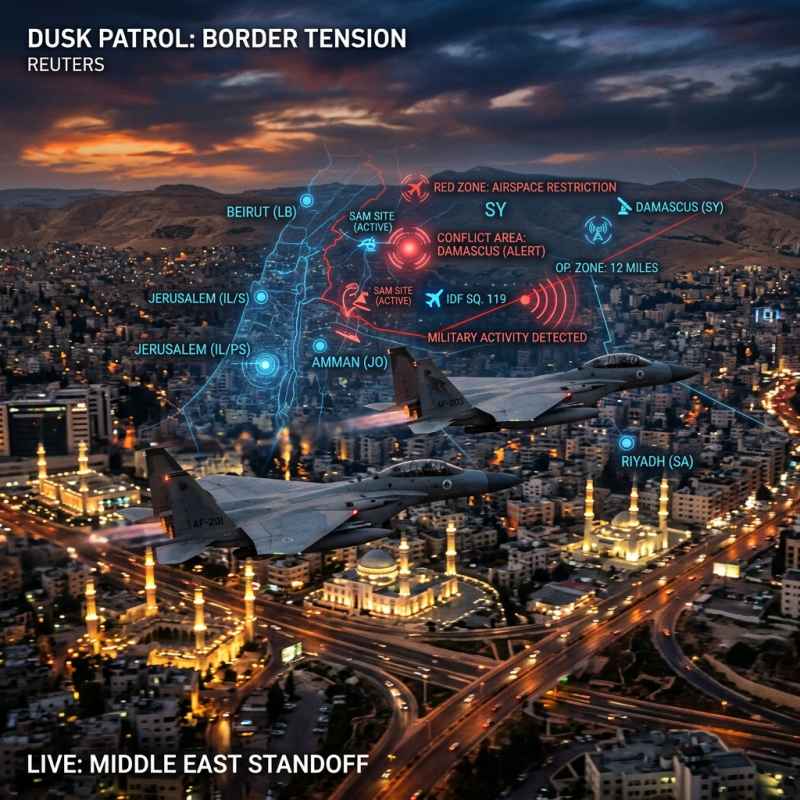
The intense volatility in the Middle East has triggered a global High Alert, amplifying terrifying rumors of an impending World War 3. The crisis has drawn in other global superpowers, fundamentally altering the diplomatic landscape. Russia, maintaining significant strategic interests in nearby Syria, has drastically increased its military readiness. Moscow is reportedly monitoring Western intelligence maneuvers closely, fully aware that any regional power shift could directly threaten Russian geopolitical dominance in the Mediterranean corridor.
24-Hour Surveillance by Western Intelligence
Simultaneously, Western intelligence agencies, spearheaded by the CIA and British intelligence services, have initiated rigorous 24-hour surveillance operations. This continuous monitoring is deemed absolutely critical to anticipate surprise retaliatory strikes and to protect vulnerable infrastructure. The United Kingdom has placed its special forces on standby, preparing for rapid deployment to secure vital national assets and execute emergency evacuations of citizens if the geopolitical environment deteriorates further.
Economic Fallout and the Urgent Need for Diplomacy
The ramifications of this crisis extend far beyond military battlefields, casting a dark shadow over the global economy. International energy markets are bracing for massive shocks, with crude oil prices anticipated to skyrocket if shipping routes through the Strait of Hormuz are obstructed. The international community is racing against time, scrambling to open diplomatic backchannels before the regional conflict irrevocably transforms into a devastating global catastrophe. De-escalation remains the absolute highest priority for the United Nations.
The Narrow Path to Peace
Despite the overwhelming drumbeats of war echoing across the globe, a narrow path for diplomatic resolution still exists. Backchannel communications, potentially mediated by neutral regional actors such as Oman or Qatar, remain active. Global security analysts repeatedly emphasize that maximum restraint from all involved parties is the only viable method to prevent the apocalyptic scenario of a third world war. The crucial decisions formulated by world leaders in the coming days will definitively determine the ultimate fate of the region.
Written by
Admin New
Admin • Total Kontribusi: 4505 artikel
Administrator of ModerNews
Reader discussion
Komentar (0)
Share your thoughts respectfully.