Middle East Crisis: Kuwait & Iran

Admin New
Daftar Isi
Unprecedented Escalation in the Middle East
The Middle East is currently facing a renewed and highly volatile escalation of military tensions involving Iran, Kuwait, and Bahrain. This sudden surge in hostility has sparked significant global concern regarding the potential for a full-scale conflict that could severely disrupt regional stability and international energy supplies. The ongoing crisis was triggered by alarming reports of an attack targeting Kuwaiti territory, which subsequently set off a rapid chain of both military and diplomatic reactions across the strategically vital Persian Gulf region.
Fatal Strike on Kuwaiti Territory
According to the latest intelligence and news reports, a deadly strike allegedly originating from Iran has hit Kuwait. This tragic incident caused extensive damage to local infrastructure and notably struck a building belonging to a Chinese corporation operating within the area. Authorities have confirmed that the attack resulted in at least one fatality alongside substantial material destruction. The international community has reacted with profound alarm, demanding an immediate and transparent investigation to determine the exact origin of the projectiles and the underlying motives. The involvement of foreign corporate assets has introduced a complex new dimension to the crisis, drawing the attention of global economic powers.
Kuwait's Diplomatic Denials
Amidst a frenzy of international speculation, the Kuwaiti government issued a robust and unequivocal denial of any prior involvement in military operations targeting Iranian territory before the attack on their soil occurred. Utilizing official diplomatic channels, Kuwait reiterated its longstanding commitment to maintaining neutrality and fostering balance within the historically conflict-prone Gulf region. This rapid clarification was deemed absolutely critical to prevent further misunderstandings that could precipitate a broader and more devastating military confrontation. Geopolitical analysts view Kuwait's prompt diplomatic engagement as a necessary preventative measure under immense regional pressure.
Joint Aerial Retaliation
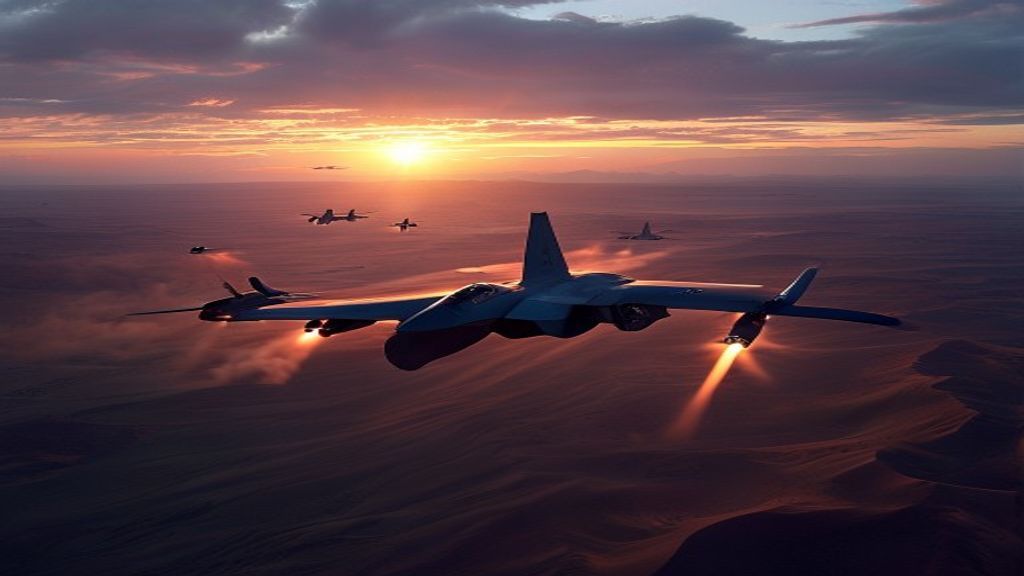
Despite these diplomatic efforts, the situation on the ground escalated dramatically. In an unprecedented military maneuver, fighter jets from both Bahrain and Kuwait reportedly launched targeted retaliatory airstrikes against strategic military installations deep inside Iranian territory. This joint operation specifically focused on destroying weapons depots and drone launch facilities that are believed to pose a direct and imminent threat to the security of Gulf nations. This decisive action marks a significant shift in regional defense paradigms, demonstrating that Arab nations in the Gulf are now willing to employ direct offensive measures to safeguard their sovereign borders from external aggression.
Global Economic Repercussions
The direct military confrontation involving prominent oil-producing nations has immediately sent shockwaves throughout global financial markets. Global crude oil prices are anticipated to experience sharp spikes due to mounting fears over potential disruptions to critical distribution routes, particularly the Strait of Hormuz. International investors are monitoring the unfolding situation with extreme caution. Concurrently, international bodies such as the United Nations have urgently called upon all involved parties to exercise maximum restraint and return to the negotiating table. The stability of the Middle East remains a fundamental pillar for the smooth operation of the global economy.
Urgent Need for International Mediation
In response to this rapidly developing crisis, major global powers are expected to intervene swiftly to mediate the conflict before it reaches an irreversible flashpoint. De-escalation efforts must be prioritized above all else. Diplomatic dialogue facilitated by neutral mediators is desperately needed to defuse the immediate threats. If the cycle of violence is allowed to continue unchecked, severe humanitarian crises and widespread economic destabilization across the region will become inevitable. Therefore, securing a peaceful resolution remains the only rational and sustainable path forward for all conflicting parties.
Written by
Admin New
Admin • Total Kontribusi: 4551 artikel
Administrator of ModerNews
Reader discussion
Komentar (0)
Share your thoughts respectfully.