Economic Crisis Sparks National Emergency in Bolivia

Admin New
Daftar Isi
Economic Crisis Unveiled: When National Emergencies Signal Systemic Strain
The phrase economic crisis is no longer confined to academic discussions or historical textbooks. Today, it represents a tangible force reshaping nations, disrupting supply chains, and testing the resilience of global markets. Recently, the world’s attention shifted sharply to South America as Bolivia officially declared a national emergency. This decisive action followed weeks of relentless protests and widespread road blockades that showed no signs of de-escalating. The situation underscores how quickly macroeconomic pressures can spill over into civil unrest when structural vulnerabilities go unaddressed.
The Catalyst Behind Bolivia’s Declaration
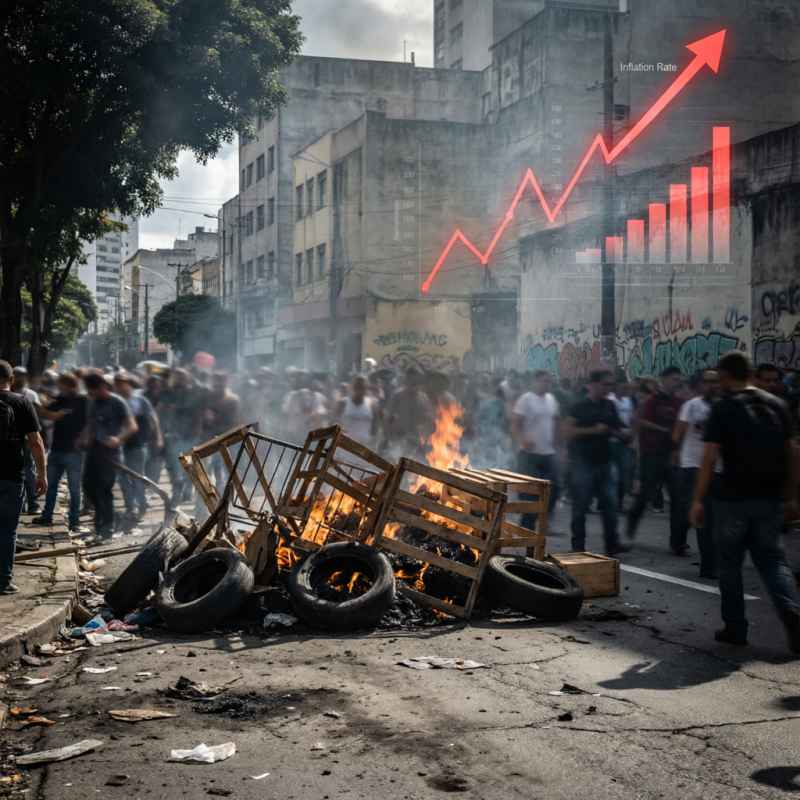
According to recent reports from prominent financial and news outlets, the emergency decree was a direct response to severe economic bottlenecks that have frustrated citizens across multiple regions. At the heart of the unrest lies a combination of fuel shortages, rising inflation, and perceived policy missteps. Protesters strategically blocked major transportation arteries, effectively paralyzing domestic logistics. As a result, essential goods have become scarce in both urban centers and rural markets, triggering a downward spiral in consumer purchasing power. The government’s initial attempts at stabilization have struggled to counteract the deep-rooted frustration among working-class communities.
Collateral Damage Across Key Industries
The prolonged road closures have inflicted heavy losses beyond immediate retail shortages. Small and medium-sized enterprises, which form the backbone of local employment, face severe cash flow constraints due to disrupted distribution networks. Meanwhile, agricultural producers report devastating post-harvest losses as perishable goods remain stranded in remote areas. Financial analysts warn that without a coordinated recovery framework, these localized disruptions could trigger broader inflationary pressures and erode foreign investor confidence. Restoring market equilibrium will require more than temporary relief measures; it demands structural reforms that address energy security and supply chain resilience.
Global Parallels and the Path Forward
Bolivia’s current predicament serves as a cautionary tale for emerging economies navigating volatile financial climates. When economic uncertainty merges with social discontent, states often resort to emergency decrees to restore order. Yet, administrative declarations cannot substitute for transparent governance and targeted social safety nets. Experts emphasize that long-term stability hinges on proactive fiscal management, currency stabilization, and inclusive economic planning. Policymakers must balance immediate crisis response with strategic investments that reduce dependency on volatile external markets.
Building Resilient Economic Frameworks
Navigating out of an economic downturn requires synchronized efforts across public and private sectors. Strengthening strategic reserves, modernizing logistics infrastructure, and fostering digital trade platforms can cushion future shocks. Equally important is maintaining clear, consistent communication to prevent market panic and rebuild public trust. As nations worldwide grapple with similar macroeconomic headwinds, Bolivia’s experience highlights a fundamental truth: economic resilience is not accidental. It is cultivated through deliberate policy choices, institutional accountability, and a commitment to equitable growth that leaves no community behind during turbulent times.
Written by
Admin New
Admin • Total Kontribusi: 4515 artikel
Administrator of ModerNews
Reader discussion
Komentar (0)
Share your thoughts respectfully.