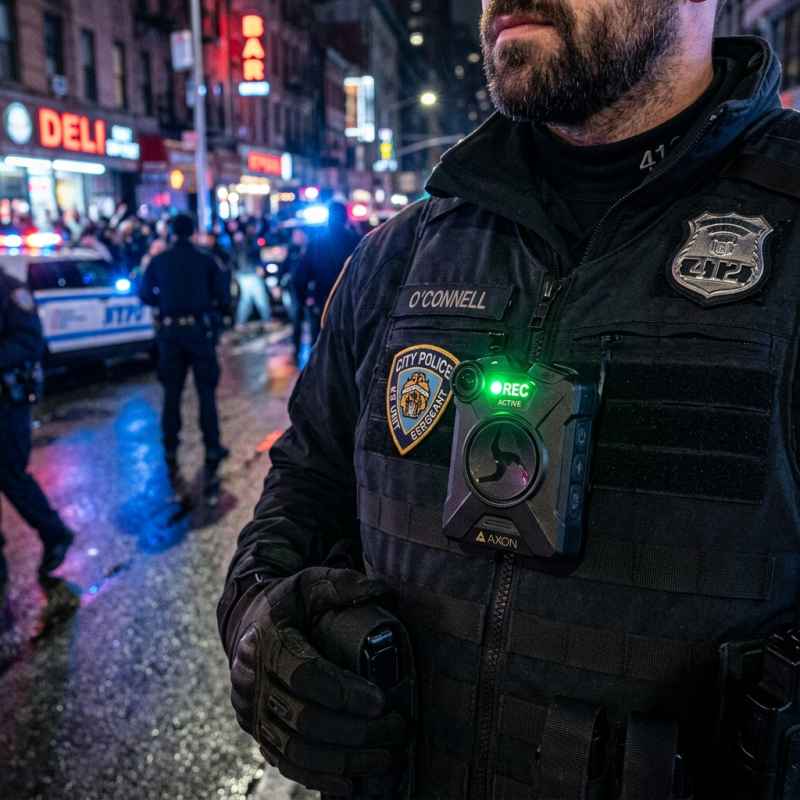
East Jakarta Transit Agency Towing Incident

Admin New
Daftar Isi
East Jakarta Transportation Agency Faces Viral Enforcement Debate
The recent actions of the East Jakarta Transportation Sub-Agency have sparked widespread discussion across social media and local news outlets. The incident revolves around the sudden towing of a motorcycle belonging to an online ride-hailing driver while he was actively picking up a passenger. What began as a routine traffic compliance operation quickly evolved into a nuanced public conversation about urban enforcement, pedestrian safety, and the socio-economic realities of gig economy workers.
From Viral Tension to Compassionate Outreach
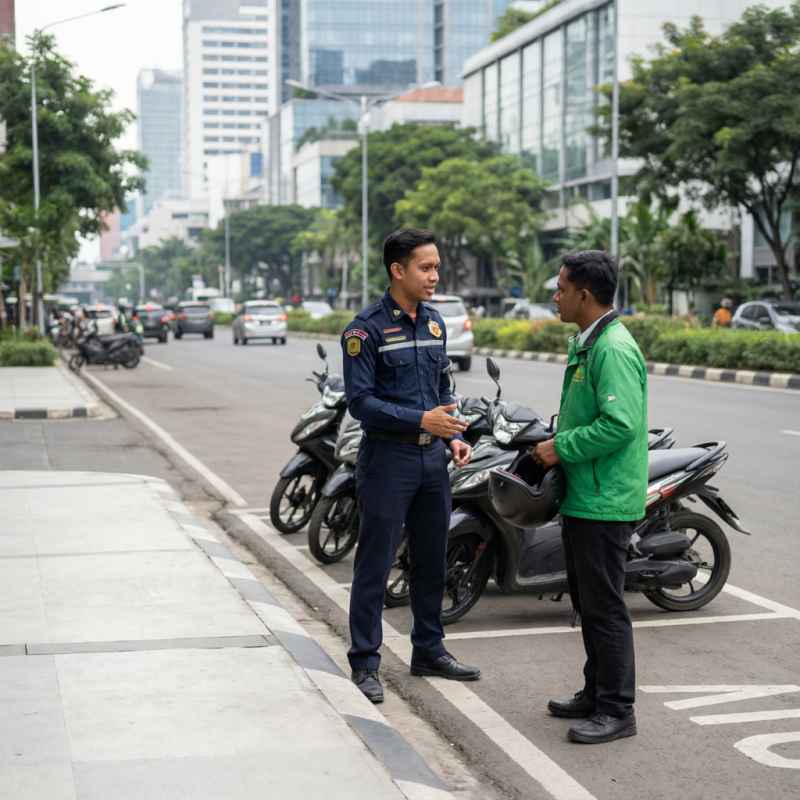
The motorcycle in question was found illegally parked on a pedestrian sidewalk in the bustling Jatinegara district. According to municipal regulations, sidewalks are strictly reserved for foot traffic to ensure pedestrian safety and accessibility. However, the enforcement moment took a highly emotional turn when the driver, caught off guard, was seen pleading desperately as officials prepared to load his vehicle onto a tow truck. Recognizing the intense public reaction and the genuine distress of the driver, the East Jakarta Transportation Agency opted for a more diplomatic approach.
Rather than proceeding with strict punitive measures, agency officials personally visited the driver’s residence the following day. This unprecedented step transformed a potential confrontation into an educational dialogue. During the home visit, authorities reiterated the importance of sidewalk regulations while simultaneously listening to the operational challenges faced by online drivers. The agency emphasized that the crackdown was not intended to disrupt livelihoods but to uphold urban order and protect vulnerable pedestrians from traffic hazards.
Urban Planning Meets Compassionate Governance
This incident highlights a recurring dilemma in rapidly growing megacities: how to enforce zoning and traffic laws without alienating the working class. While keeping sidewalks clear is a non-negotiable aspect of modern city planning, the enforcement mechanism must account for the lack of designated pickup zones for transportation partners. Urban planners suggest that investing in curbside micro-parking areas and digital geofencing for ride-hailing apps could significantly reduce friction between authorities and drivers.
Public reaction to the agency’s compassionate follow-up has been largely positive, signaling a growing appetite for humane, community-centered governance. Moving forward, the East Jakarta Transportation Agency’s proactive approach serves as a valuable case study. By prioritizing education over escalation and maintaining open communication channels, local governments can foster compliance while preserving the dignity of everyday workers. As Jakarta continues to modernize its infrastructure, balancing strict regulatory adherence with social empathy will remain the cornerstone of sustainable urban mobility.
Written by
Admin New
Admin • Total Kontribusi: 4527 artikel
Administrator of ModerNews
Reader discussion
Komentar (0)
Share your thoughts respectfully.