Crisis Aboard USS Abraham Lincoln

Admin New
Daftar Isi
Crisis on the High Seas
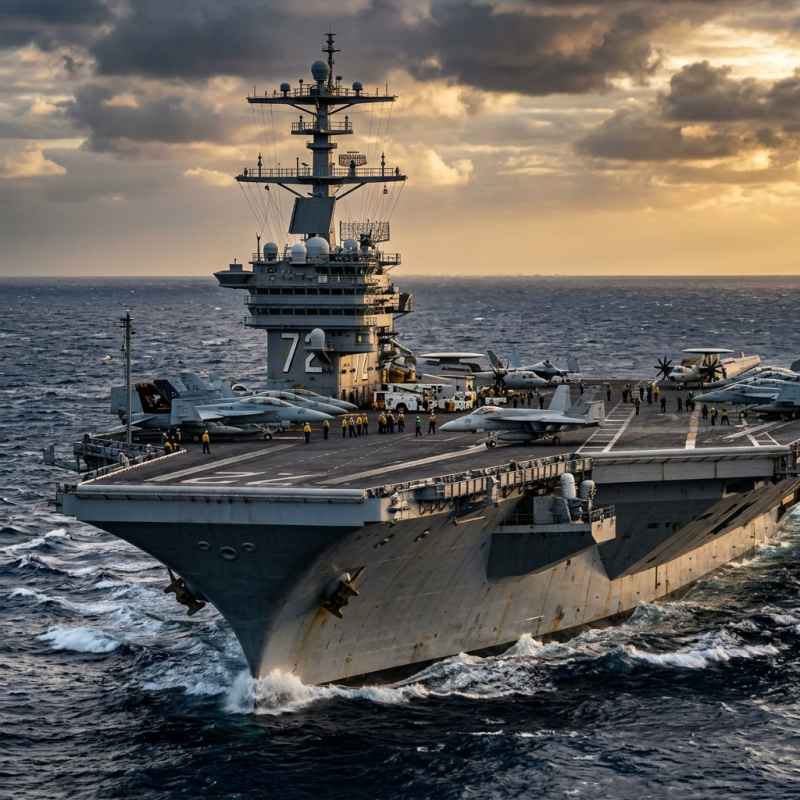
The USS Abraham Lincoln (CVN-72), a formidable Nimitz-class aircraft carrier, is currently facing a profound internal crisis. Recent reports have brought to light the harrowing reality that multiple sailors aboard this San Diego-based Navy ship have attempted to go overboard. These alarming incidents come in the midst of an extended and deeply taxing deployment, raising urgent questions about the mental health support and general living conditions provided to the crew. For the men and women serving on the vessel, the prolonged isolation and high-pressure environment have culminated in severe psychological distress.
Families Demand Accountability
The situation reached a boiling point during a recent town hall meeting, where military families confronted the acting Navy secretary. Described as a fiery and emotional gathering, loved ones expressed their deep-seated frustrations over the lack of transparency and the deteriorating conditions on the USS Lincoln. Mothers, fathers, and spouses demanded answers regarding why their family members were pushed to such breaking points without adequate intervention. The families argued that the military chain of command has fundamentally failed to prioritize the well-being of its personnel, leaving sailors vulnerable to the extreme stress of extended maritime operations.
The Toll of Extended Deployments
Extended deployments have historically placed an immense burden on naval personnel, but the current situation aboard the USS Abraham Lincoln appears exceptionally severe. Sailors are routinely subjected to grueling work hours, limited communication with the outside world, and the constant, underlying tension of potential combat scenarios. When deployments are unexpectedly extended, as has been the case here, the psychological impact multiplies. The sudden shifting of timelines destroys morale, stripping sailors of the critical coping mechanism of knowing when they will finally return home.
Mental Health Under Siege
According to accounts from families and whistleblowers, the mental health resources available on the ship are woefully inadequate to handle the volume and severity of the crises occurring. The sheer number of sailors attempting to jump overboard highlights a systemic failure in recognizing and treating severe depression and operational burnout. Mental health professionals within the military community have long warned that without robust, proactive support systems, the pressure cooker environment of an aircraft carrier can lead to tragic outcomes.
Looking Ahead: Systemic Reform Needed
The unfolding tragedy aboard the USS Abraham Lincoln is not just an isolated incident; it serves as a stark warning about the broader implications for military readiness and retention. If the Navy cannot guarantee basic standards of psychological safety and humane living conditions, it will inevitably face challenges in recruiting new service members and retaining experienced personnel. The military establishment must immediately investigate the conditions on the CVN-72, hold negligent leadership accountable, and implement sweeping reforms to ensure that no sailor is ever left feeling that going overboard is their only escape.
Furthermore, military advocates are pushing for an independent oversight committee to regularly evaluate the mental health infrastructure on active duty vessels. This committee would ideally operate outside the immediate chain of command, allowing sailors to report grievances and seek help without fear of professional retaliation. Until such comprehensive measures are institutionalized, the families of the USS Abraham Lincoln crew remain in a state of agonizing vigilance, hoping their continued advocacy will finally bring their loved ones home safely and spark a long-overdue transformation in naval welfare policies.
Written by
Admin New
Admin • Total Kontribusi: 4505 artikel
Administrator of ModerNews
Reader discussion
Komentar (0)
Share your thoughts respectfully.