Chicken Prices Crash: Farmers Face Severe Losses

Admin New
Daftar Isi
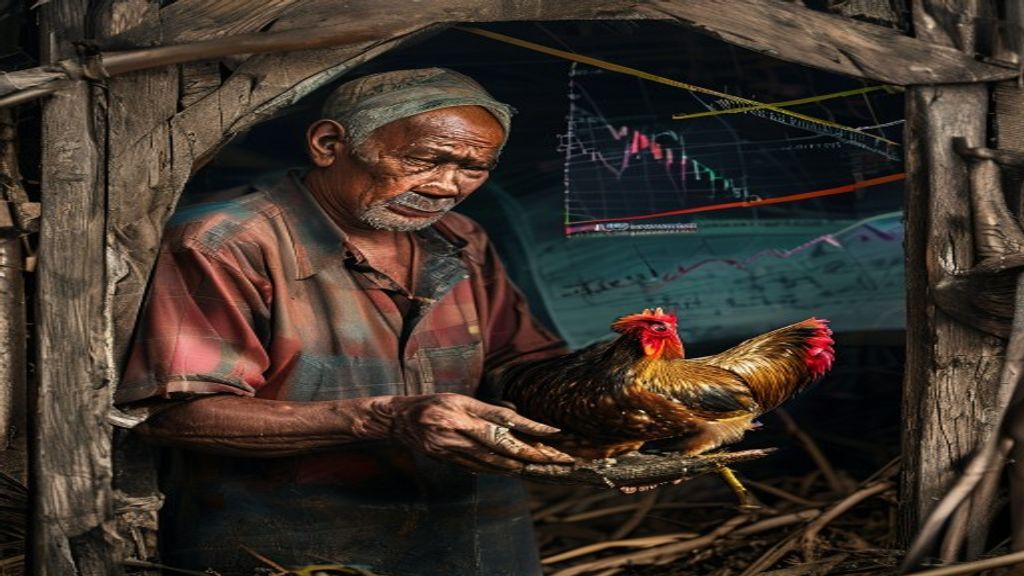
The Indonesian poultry industry is currently grappling with a severe crisis that has sent shockwaves through the agricultural sector. The search term "crash" or "anjlok" has trended prominently as distressing reports emerge from farms across the archipelago. Live chicken prices at the farm gate have plummeted to an alarming Rp 13,000 per kilogram, a figure that sits dangerously below the cost of production.
A Squeeze on Profit Margins
Recent reports from leading economic news outlets describe the situation as a desperate cry for help from poultry farmers. Both broiler and layer farmers are feeling the crushing weight of this economic downturn. While selling prices have collapsed, operational costs continue to skyrocket. The price of animal feed, the single largest expense in poultry farming, has surged due to global commodity fluctuations and currency exchange rate volatility.
This creates a deadly economic squeeze for small and medium-sized enterprises. Farmers are trapped between rock-hard low selling prices and a hard place of rising input costs. Many are forced to liquidate assets or cease operations entirely, fearing that continuing to raise livestock will only deepen their financial holes. The psychological toll on these rural communities is immense, threatening the livelihoods of thousands of families.
Ripple Effects on the Supply Chain
The drastic drop in chicken prices is not an isolated issue for farm owners; it triggers a domino effect throughout the entire supply chain. Feed merchants, farm laborers, and logistics distributors are all facing uncertainty. If this trend persists without immediate intervention, experts warn of a potential shortage of chicken meat and eggs in the coming months. Paradoxically, today's crash could lead to tomorrow's inflation, hurting consumers just as hard as it hurts producers now.
Government Response and Future Outlook
In response to the growing outcry, the government has announced plans to reintroduce food aid programs involving egg and chicken meat distribution, scheduled for rollout in 2027. While this indicates long-term strategic planning, farmers are urging for immediate relief measures. They require urgent stabilization of feed prices and faster stock absorption mechanisms to prevent mass bankruptcy.
This crisis serves as a critical stress test for Indonesia's food security resilience. A strong synergy between government bodies, farmer associations, and industry stakeholders is essential to navigate these turbulent waters. Without swift and decisive action, the poultry sector, a primary source of protein for the nation, risks severe disruption, leaving scars on the national economy that may take years to heal.
Written by
Admin New
Admin • Total Kontribusi: 4515 artikel
Administrator of ModerNews
Reader discussion
Komentar (0)
Share your thoughts respectfully.