Ceuta Border Crisis: 9 Moroccan Migrants Die

Admin New
Daftar Isi
A devastating humanitarian crisis has once again struck the border between Europe and Africa. Nine lives were tragically lost as thousands of desperate migrants from Morocco attempted to breach the borders of Ceuta, a Spanish enclave located on the northern coast of Africa. This harrowing incident highlights the extreme dangers of the migration routes taken by those seeking a better life in Europe, as well as the deep complexities of border management between two heavily divided continents.
A Deadly Wave of Migration
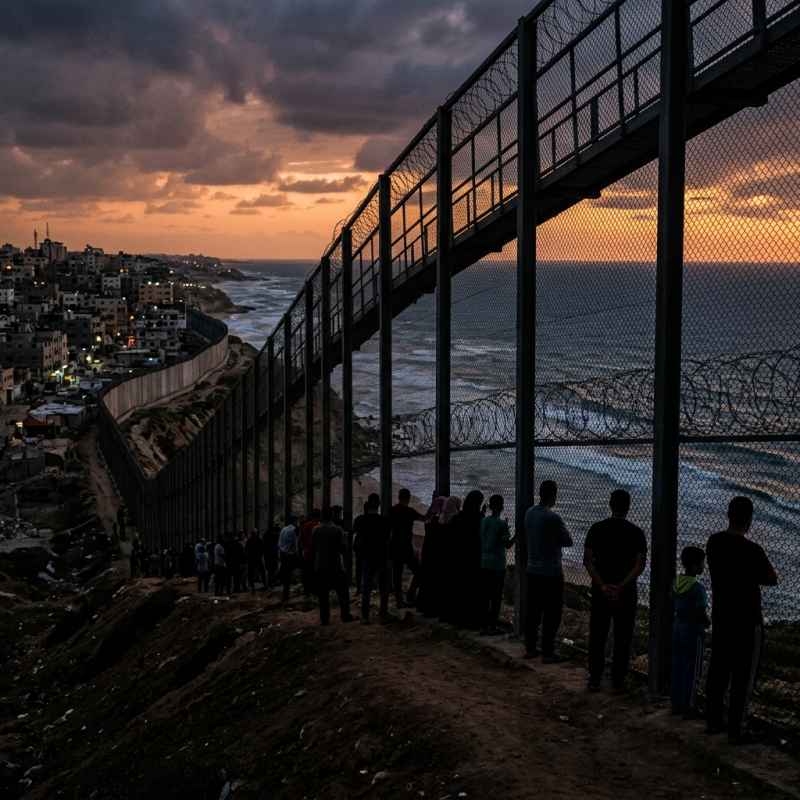
The deadly incident began when thousands of individuals, mostly young men from Morocco and various Sub-Saharan African nations, converged on the heavily fortified border area. While many attempted to scale the towering, razor-wire-topped double fences that separate the two territories, hundreds of others took to the sea. In a desperate bid to reach European soil, they tried to swim around the massive breakwaters that demarcate the maritime borders of Spain and Morocco.
The unpredictable coastal waters, treacherous underwater currents, and sheer physical exhaustion proved to be a lethal combination for the swimmers. Authorities recovered at least nine bodies floating in the water or washed ashore. This tragedy has sparked deep sorrow and renewed critical questions regarding both the effectiveness of current border enforcement policies and the humanitarian approaches required to manage a crisis that repeats itself year after year.
The Driving Forces Behind the Mass Exodus
This massive wave of migration does not occur in a vacuum. A multitude of fundamental push factors drives this continuous exodus from the region. Prolonged economic hardship, skyrocketing youth unemployment rates, and a severe lack of future prospects act as the primary catalysts. The enduring hope for economic stability, dignified employment opportunities, and safer living conditions on the European continent creates a powerful pull factor, convincing thousands that the immense risks are worth taking.
Beyond the socio-economic factors, the Spanish enclaves of Ceuta and Melilla have long been viewed as the most accessible stepping stones into Europe. Due to their unique geographic locations, these territories represent the only land borders between the European Union and the African continent. This reality makes them magnets for migrants who cannot afford the exorbitant costs of human smuggling networks across the wider, equally dangerous Mediterranean Sea.
Official Responses and Diplomatic Tensions
Both Spanish and Moroccan governments responded rapidly to the escalating crisis by deploying additional security forces along the border perimeter. Coast guards, border police, and military personnel were mobilized to prevent further unauthorized crossings and to conduct urgent search-and-rescue operations for those still struggling in the sea. Hundreds of migrants who were intercepted or rescued have reportedly been returned to Morocco or placed in temporary holding centers, which quickly became severely overcrowded.
Diplomatically, such mass crossing attempts frequently generate friction between Madrid and Rabat. The European Union continues to urge comprehensive cooperation that looks beyond merely fortifying physical borders. Officials emphasize the urgent need to address the root economic and social causes in the countries of origin. Ultimately, the tragic loss of nine lives at the Ceuta border serves as a stark reminder that the global migration crisis demands long-term structural solutions, rather than reactive measures that often cost human lives.
Written by
Admin New
Admin • Total Kontribusi: 4495 artikel
Administrator of ModerNews
Reader discussion
Komentar (0)
Share your thoughts respectfully.