Canada Wildfires Escalate: Thousands Forced to Flee

Admin New
Daftar Isi
Canada Faces Unprecedented Wildfire Crisis
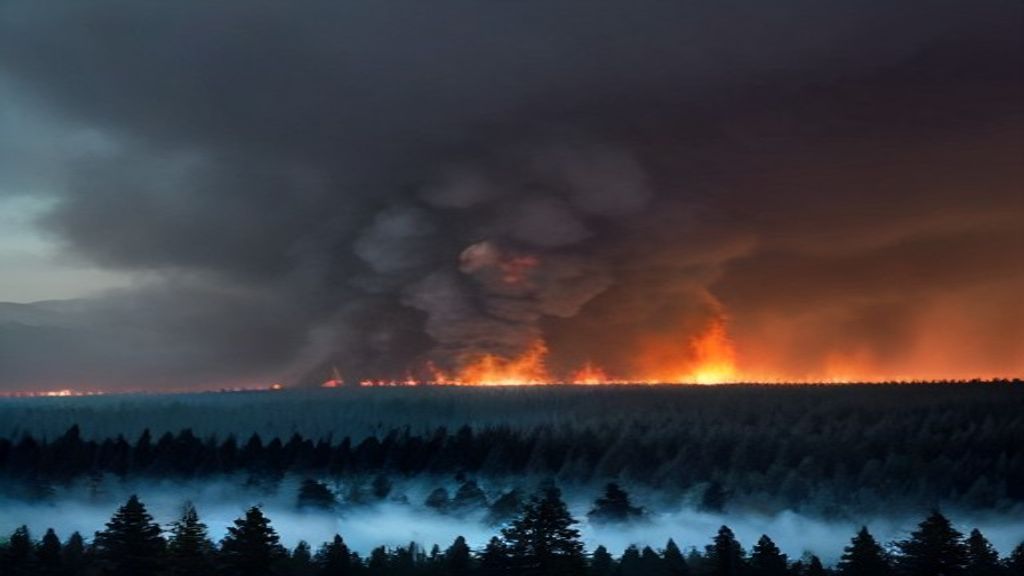
In a devastating turn of events, Canada is currently battling one of the most severe wildfire seasons in its history. Authorities have issued dire warnings, urging residents to brace for the worst as massive infernos rage completely out of control across multiple provinces. The rapid spread of the flames has created a catastrophic situation, destroying vast tracts of forest and threatening numerous communities. Firefighters are working tirelessly around the clock, but the sheer scale of the blazes, combined with unfavorable weather conditions, has made containment efforts incredibly difficult.
Mass Evacuations in British Columbia
The western province of British Columbia is among the hardest-hit regions. Recent reports indicate that the escalating wildfires have forced approximately 20,000 residents to evacuate their homes immediately. Entire towns have been emptied as thick smoke and encroaching flames turn once-thriving neighborhoods into hazardous zones. The provincial government has declared a state of emergency, mobilizing all available resources to assist displaced families. Evacuation centers are currently operating at maximum capacity, providing temporary shelter, food, and medical assistance to those who have lost everything or are waiting for news about their properties.
Federal Government Steps In
Recognizing the sheer magnitude of the disaster, the Canadian federal government has officially intervened. Prime Minister Justin Trudeau and top officials have pledged comprehensive support, deploying the military to assist overwhelmed local firefighting crews. The armed forces are providing crucial logistical support, helping to transport equipment, conduct aerial water drops, and manage evacuation routes safely. This federal intervention underscores the severity of the crisis, marking a significant escalation in the nation's emergency response protocol.
Climate Change and Future Preparedness
Environmental experts point to climate change as a major catalyst for the intensity and frequency of these wildfires. Prolonged periods of drought, unusually high temperatures, and dry vegetation have created the perfect tinderbox. As the nation grapples with this immediate threat, discussions are already shifting toward long-term strategies. Implementing stricter forest management policies, enhancing early warning systems, and investing in advanced firefighting technology will be crucial. For now, the priority remains protecting human lives and minimizing structural damage as Canada confronts this relentless natural disaster.
Furthermore, the environmental toll of these wildfires extends far beyond the immediate burn zones. Plumes of toxic smoke have drifted across the continent, severely deteriorating air quality in major urban centers and triggering health alerts for millions of people. Vulnerable populations, particularly children and the elderly, are advised to remain indoors as particulate matter reaches hazardous levels. Local health authorities emphasize the importance of using proper air filtration systems and minimizing outdoor physical activities during this crisis.
The economic impact is also expected to be staggering. The destruction of timber resources, disruption of local businesses, and massive expenditure on emergency response operations will place a heavy burden on both regional and national economies. Recovery efforts will likely take years, requiring sustained financial support and community resilience. As firefighters continue their courageous battle on the front lines, the entire nation stands united in solidarity, hoping for a break in the weather and a swift end to this unprecedented environmental catastrophe.
Written by
Admin New
Admin • Total Kontribusi: 4495 artikel
Administrator of ModerNews
Reader discussion
Komentar (0)
Share your thoughts respectfully.