2030 World Cup: Hosts, Format & Young Stars

Admin New
Daftar Isi
The Historic 2030 FIFA World Cup
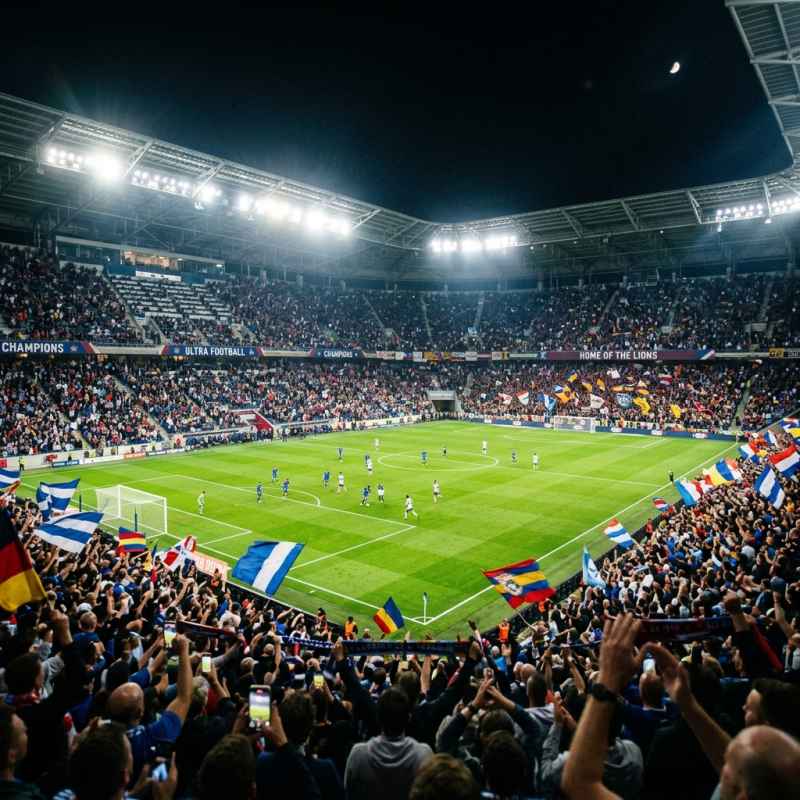
The 2030 FIFA World Cup is set to be one of the most unique and historic tournaments in the history of international football. Celebrating the centenary of the very first World Cup held in 1930, FIFA has designed a truly global event that spans multiple continents. For football fans worldwide, the anticipation is already building around the host nations, the structure of the competition, and the next generation of superstars who will take center stage.
Host Nations: A Cross-Continental Celebration
In an unprecedented move, the 2030 World Cup will be hosted across three different continents. The primary co-hosts for the tournament are Morocco, Portugal, and Spain. These three nations will provide the backdrop for the majority of the matches, offering a rich blend of footballing culture, state-of-the-art stadiums, and passionate fanbases.
However, to honor the 100-year anniversary of the tournament, the opening three matches will take place in South America. Uruguay, Argentina, and Paraguay will each host a game, paying homage to the inaugural 1930 World Cup which was held in and won by Uruguay. This unique geographical footprint means that the 2030 edition will truly be a global festival of football, uniting South America, Africa, and Europe.
Tournament Format and Participating Teams
Following the expansion introduced in the 2026 tournament, the 2030 World Cup will feature 48 participating teams. This expanded format allows for greater global representation, giving emerging footballing nations a better chance to compete on the biggest stage. The teams will be divided into 12 groups of four, with the top two teams from each group, along with the eight best third-placed teams, advancing to the knockout stages starting with a Round of 32.
The sheer number of teams ensures that the tournament will be a marathon of high-quality football, consisting of 104 matches in total. Fans can expect a grueling but thrilling schedule, where squad depth and tactical versatility will be tested to the absolute limit. The automatic qualification of the six host nations (Spain, Portugal, Morocco, Argentina, Uruguay, and Paraguay) adds an interesting dynamic to the qualification phases across their respective confederations.
The Stars of Tomorrow: Lamine Yamal
As we look ahead to 2030, the conversation inevitably turns to the players who will define the tournament. While current legends may have retired by then, a new generation of prodigies is ready to take the mantle. One such player is the Spanish sensation, Lamine Yamal.
Born in July 2007, Yamal has already shattered records for both Barcelona and the Spanish national team. By the time the 2030 World Cup kicks off, Lamine Yamal will be on the verge of turning 23 years old. This age is often considered the beginning of a footballer's prime physical and technical peak. Given his current trajectory, exceptional vision, and dribbling ability, Yamal is expected to be one of the undisputed headline acts of the tournament. Playing a World Cup partly on home soil in Spain will only amplify the pressure and the glory awaiting this young phenom.
A Global Spectacle
The 2030 FIFA World Cup represents a bold step into the future while maintaining a deep respect for the past. By spreading the hosting duties across multiple continents and maintaining the expanded 48-team format, FIFA is ensuring that the centenary celebration is a massive, inclusive event. With incredible young talents like Lamine Yamal preparing to dazzle on home turf, the footballing world has every reason to count down the days until this historic tournament begins.
Written by
Admin New
Admin • Total Kontribusi: 4495 artikel
Administrator of ModerNews
Reader discussion
Komentar (0)
Share your thoughts respectfully.