2026 Outlook: War Shocks vs AI Growth Boost

Admin New
Daftar Isi
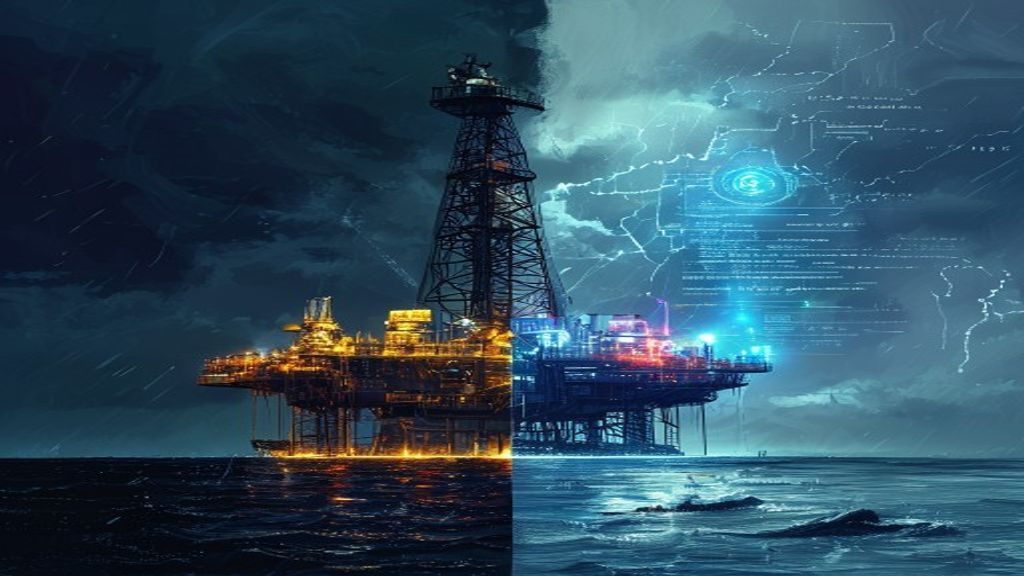
The global economic landscape is facing a defining moment of tension and transformation. As we look toward 2026, two powerful forces are colliding: the destabilizing impact of geopolitical conflict and the revolutionary potential of Artificial Intelligence (AI). Recent reports from leading financial institutions paint a complex picture of what lies ahead.
Geopolitical Turmoil Drags Down Forecasts
The International Monetary Fund (IMF) has officially revised its global growth forecast for 2026 downward to 3%. This sobering adjustment is primarily attributed to escalating tensions in the Middle East, specifically the ongoing conflict involving Iran. The resulting energy shock has sent ripple effects through global markets, driving up oil prices and reigniting inflationary pressures just as many economies were beginning to stabilize.
This geopolitical instability threatens to disrupt supply chains and erode consumer confidence worldwide. For emerging markets, the stakes are even higher, with currency volatility and rising import costs posing significant risks to domestic stability.
AI: The Unexpected Economic Savior
Despite the gloomy outlook driven by conflict, a counter-narrative is emerging from the technology sector. In their Half-Time Outlook for 2026-27, Allianz highlights that while growth may slow to roughly 2.5%, Artificial Intelligence holds the score. Bloomberg echoes this sentiment, reporting that the IMF believes the productivity gains from widespread AI adoption could effectively offset the economic fallout from Middle Eastern instability.
The integration of AI into industrial processes, financial services, and logistics is expected to drive unprecedented efficiency. This technological leap could provide the necessary buffer to keep the global economy afloat amidst energy crises.
A Dual-Track Future
The economic story of 2026 will be defined by this duality. Nations that aggressively invest in AI infrastructure and digital transformation will likely weather the energy storm better than those reliant on traditional models. The race is no longer just about resource accumulation; it is about technological agility.
For investors and policymakers, the strategy must be twofold: secure energy supplies while simultaneously accelerating digital innovation. The balance between these two forces will determine who thrives and who struggles in the new global order.
Written by
Admin New
Admin • Total Kontribusi: 4505 artikel
Administrator of ModerNews
Reader discussion
Komentar (0)
Share your thoughts respectfully.